The amethyst in your grandmother’s ring, the quartz on your desk — crystals have fascinated humanity for millennia. An honest guide to their history, the claims made about them, and how to work with them thoughtfully.
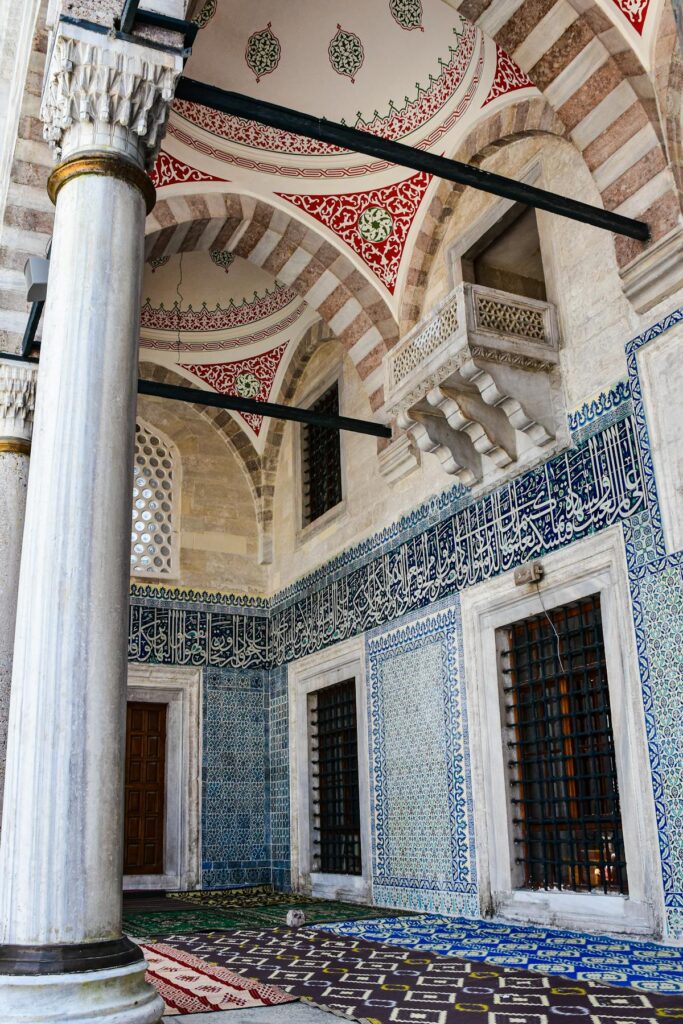
How the mystics of the Ottoman Empire believed the Arabic alphabet held the secret architecture of the universe — and why the tradition was both revered and persecuted.
For centuries, no Ottoman sultan went to war, broke ground on a mosque, or held a coronation without consulting the chief astrologer. The Muneccimbasi was the empire’s most trusted reader of the heavens.
Sufism is not a separate religion. It is the beating heart of Islam — the tradition of direct divine experience, ecstatic poetry, and radical love that has shaped Muslim civilization for over a thousand years.
From Anatolian village doorways to Manhattan fashion boutiques — the story of the blue evil eye, the surprisingly deep theology behind it, and how a glass bead from Izmir became one of the most recognized symbols on earth.
From the 12,000-year-old temples of Gobekli Tepe to the cave churches of Cappadocia — mapping the invisible pathways that connect Turkey’s most ancient and mysterious sacred sites.
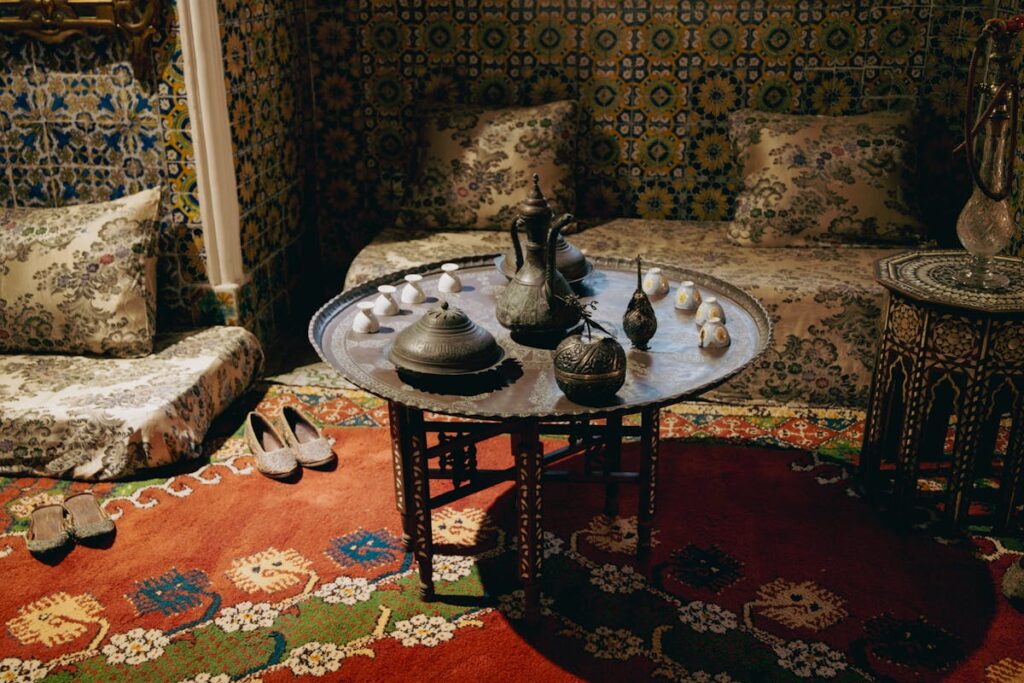
Transform your living space with Turkish design elements — from mosaic lamps and İznik ceramics to Ottoman textiles and Nazar wall art. 7 ideas to get started.
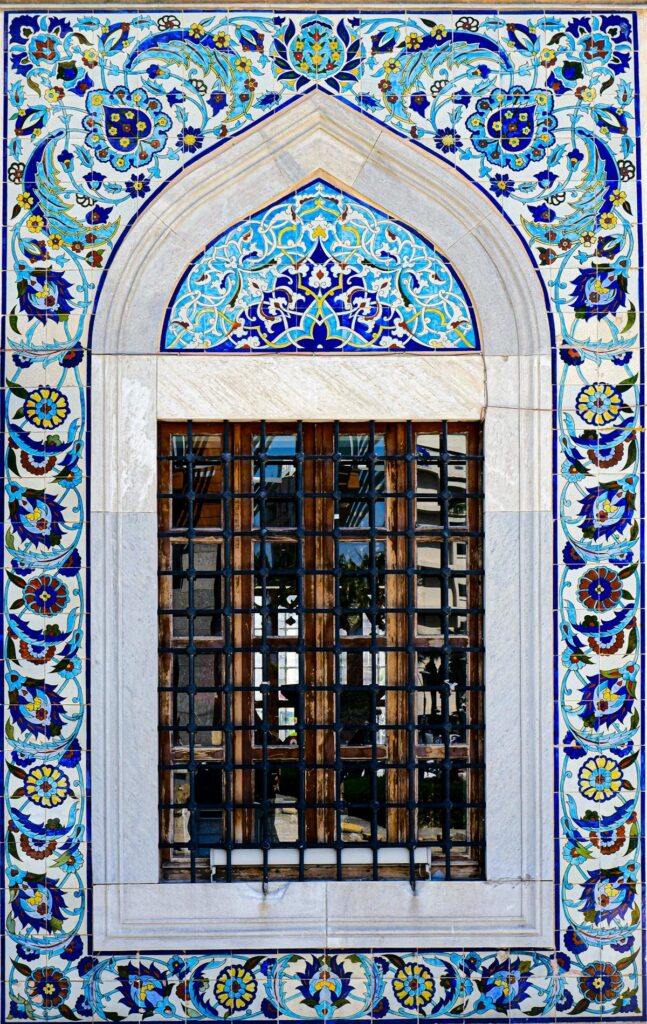
Everything you need to know about İznik ceramics — the stunning Ottoman pottery tradition, its distinctive patterns, and how to find quality pieces for your home.
Discover the meaning behind the Turkish evil eye (Nazar Boncuğu), its 3,000-year history, and why millions still hang this iconic blue glass amulet in their homes.